

30-Second Summary
Learn to identify common seasonal allergy symptoms, triggers, and high-risk periods across Pakistan, especially in Islamabad.
Follow a practical checklist to prevent allergies with simple lifestyle and hygiene tips.
Discover effective relief options including home remedies and recommended medicines.
Shop trusted seasonal allergy essentials easily from D. Watson for fast and reliable relief.
Seasonal changes bring pleasant weather, blooming flowers, and outdoor activities. However, for many people across Pakistan, changing seasons also bring sneezing, itchy eyes, and breathing discomfort. These symptoms can disrupt daily life, affect productivity, and make even simple outdoor activities uncomfortable. Understanding triggers, recognizing symptoms early, and knowing the right relief options can help you stay comfortable throughout the year.
This comprehensive guide provides a complete checklist covering symptoms, prevention, relief methods, and medicines available for managing seasonal allergies. Whether you live in Islamabad or any other city in Pakistan, this guide will help you prepare and protect yourself effectively.
What Are Seasonal Allergies?
Seasonal allergies occur when your immune system overreacts to airborne substances that appear during certain times of the year. These allergens are usually harmless to most people but can cause significant discomfort for those with sensitivities.
Common seasonal allergy triggers in Pakistan include:
Pollen from trees, grass, and weeds
Dust and air pollution
Mold spores during humid seasons
Changing weather conditions
Smog and environmental pollutants
Islamabad, known for its greenery and seasonal plant blooms, experiences noticeable allergy patterns during spring and autumn. Many residents experience Pollen Allergy in Islamabad when flowers bloom, and pollen levels increase significantly.
Common Seasonal Allergy Symptoms Checklist

Symptoms may vary from mild to severe. Recognizing them early helps in timely management and prevention of worsening symptoms.
Respiratory Symptoms
Frequent sneezing
Runny nose
Nasal congestion
Postnasal drip
Coughing
Shortness of breath (in severe cases)
Eye-Related Symptoms
Red eyes
Itchy eyes
Watery eyes
Swollen eyelids
Sensitivity to light
Eye symptoms often require proper care, and in some cases, doctors may recommend eye care medicine to relieve irritation and discomfort.
Skin Symptoms
Itchy skin
Rashes
Hives
Dry patches
General Symptoms
Fatigue
Headache
Sinus pressure
Poor sleep
Reduced concentration
If you notice these symptoms recurring every year during certain months, you may be experiencing seasonal allergic reactions.
Seasonal Allergy Calendar in Pakistan
Understanding when allergens are most common can help you prepare ahead of time.
Spring (February to April)
Tree pollen increases
Grass pollen begins
Dust storms in some regions
Increased outdoor allergens
Summer (May to August)
Dust and pollution levels rise
Mold growth due to humidity
Air conditioning allergens
Autumn (September to November)
Weed pollen increases
Smog and pollution worsen
Dry weather increases dust
Winter (December to January)
Indoor allergens increase
Dust mites
Mold growth in closed spaces
Islamabad residents may notice higher pollen counts during spring, especially in green areas, parks, and residential sectors.
Who Is More Likely to Experience Seasonal Allergies?
Anyone can develop seasonal allergies, but some individuals are at higher risk.
High-Risk Groups
People with family history of allergies
Children and teenagers
Individuals with asthma
People living in polluted areas
Outdoor workers
Pet owners
If you fall into any of these categories, taking preventive steps is essential.
Seasonal Allergy Prevention Checklist
Preventing exposure to allergens is one of the best ways to reduce symptoms. Here is a simple checklist:
Indoor Prevention
Keep windows closed during high pollen seasons
Use air purifiers if available
Clean carpets and curtains regularly
Wash bedding weekly
Keep pets clean
Outdoor Prevention
Avoid outdoor activities during high pollen hours
Wear sunglasses outdoors
Use masks when necessary
Wash face and hands after returning home
Change clothes after outdoor exposure
Personal Hygiene Tips
Shower after outdoor exposure
Avoid touching eyes frequently
Keep nasal passages clean
Stay hydrated
These small habits can significantly reduce allergic reactions.
Natural Relief for Seasonal Allergies

Some home remedies can help reduce mild symptoms.
Steam Inhalation
Steam inhalation helps clear nasal passages and reduces congestion.
Saline Nasal Rinse
Saline rinse removes allergens from the nasal passages and improves breathing.
Honey
Local honey may help reduce sensitivity to pollen in some individuals.
Hydration
Drinking plenty of water helps thin mucus and reduce congestion.
Herbal Teas
Warm herbal teas may soothe throat irritation and improve comfort.
These remedies can complement medical treatment but may not replace it for moderate or severe symptoms.
Medicines for Seasonal Allergies
When symptoms become uncomfortable, medications can help manage them effectively. Several options are available depending on symptoms and severity.
Antihistamines
Antihistamines help reduce sneezing, itching, and runny nose. They are commonly recommended for mild to moderate symptoms.
Nasal Sprays
Nasal sprays help reduce inflammation and nasal congestion.
Decongestants
Decongestants provide temporary relief from blocked nose.
Eye Drops
Eye drops help relieve redness, itching, and irritation.
In many cases, doctors recommend allergy medicine based on individual symptoms and medical history.
Over-the-Counter Options Available at D. Watson
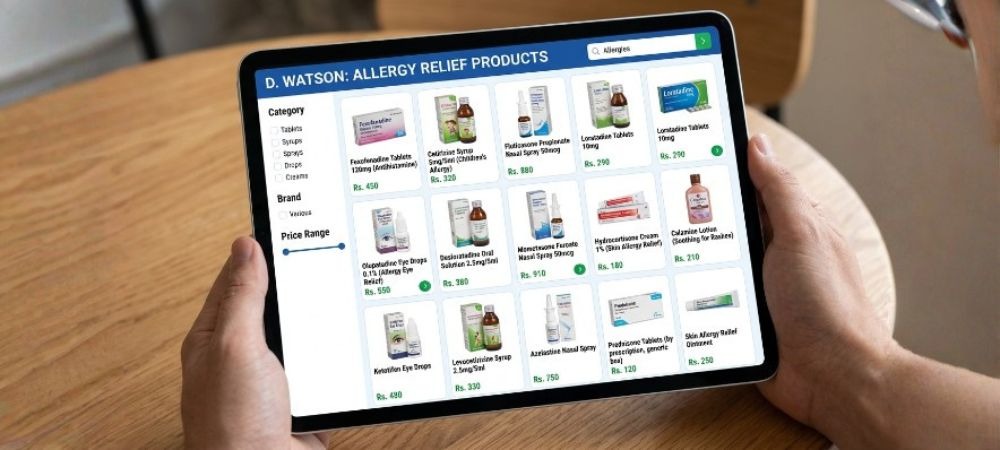
D. Watson offers a wide range of allergy relief products that help manage symptoms effectively. Some commonly available options include:
Antihistamine Tablets
Cetirizine
Loratadine
Fexofenadine
These medicines help reduce sneezing and itching.
Nasal Sprays
Saline nasal sprays
Steroid nasal sprays
Decongestant sprays
These sprays help improve breathing and reduce congestion.
Eye Drops
Lubricating eye drops
Anti-allergy eye drops
Redness relief eye drops
These products help soothe irritated eyes.
Additional Support Products
Air purifiers
Nasal rinses
You can easily explore these options at D.Watson and choose the right products according to your needs.
When to Use Medication
Medication may be necessary if:
Symptoms interfere with daily life
Home remedies are ineffective
Symptoms worsen over time
Breathing becomes difficult
Sleep is disturbed
Doctors may recommend antiallergy medicine depending on symptom severity and patient condition.
Seasonal Allergies in Children
Children are more sensitive to allergens and may experience symptoms more frequently.
Common Symptoms in Children
Frequent sneezing
Runny nose
Itchy eyes
Fatigue
Irritability
Prevention Tips for Children
Keep their rooms clean
Limit outdoor play during high pollen times
Encourage hand washing
Use child-safe medications
Parents should consult healthcare professionals before giving medicines to children.
Seasonal Allergies in Adults
Adults may experience more severe symptoms due to lifestyle and environmental exposure.
Common Adult Triggers
Workplace dust
Outdoor commuting
Pollution exposure
Smoking
Management Tips
Wear masks outdoors
Maintain indoor air quality
Take medications as recommended
Stay hydrated
Managing symptoms early helps prevent complications.
Seasonal Allergies and Asthma
People with asthma must be extra careful as seasonal allergies can worsen breathing issues.
Warning Signs
Wheezing
Chest tightness
Breathing difficulty
Persistent cough
If you experience these symptoms, consult a healthcare professional immediately.
Lifestyle Tips to Reduce Seasonal Allergies
Simple lifestyle changes can help reduce symptoms significantly.
Diet Tips
Eat fruits rich in vitamin C
Include anti-inflammatory foods
Avoid processed foods
Stay hydrated
Home Care Tips
Vacuum regularly
Use air filters
Keep indoor plants clean
Avoid strong fragrances
Travel Tips During Allergy Season

If you're traveling during allergy season:
Carry medicines
Pack tissues
Wear sunglasses
Keep the nasal spray handy
Monitor pollen forecasts
These steps help reduce discomfort while traveling.
When to See a Doctor
Seek medical advice if:
Symptoms persist for weeks
Breathing becomes difficult
Fever develops
Sinus pain worsens
Over-the-counter medicines do not help
Early treatment prevents complications and improves comfort.
Conclusion
Seasonal allergies can interfere with your daily routine, disturb sleep, and reduce productivity, especially during high pollen and pollution seasons across Pakistan. Whether you're experiencing sneezing, itchy eyes, nasal congestion, or fatigue, early preparation and the right treatment can make a significant difference. By recognizing symptoms early, avoiding triggers, and keeping essential medicines on hand, you can stay comfortable and protected throughout the year.
Don't let allergies slow you down this season. Take control of your health by stocking up on trusted seasonal allergy essentials, including antihistamines, nasal sprays, eye drops, and protective products. Shop conveniently from D. Watson and get access to reliable healthcare products delivered to your doorstep across Pakistan.
FAQs
A: Seasonal allergies occur when the immune system reacts to airborne allergens like pollen, dust, or mold during certain times of the year. In Pakistan, they are most common during spring and autumn due to increased pollen, dust, and changing weather conditions
A: Common symptoms include sneezing, runny nose, nasal congestion, itchy eyes, watery eyes, coughing, fatigue, and sinus pressure. Some people may also experience skin irritation and headaches.
A: You can reduce symptoms by keeping windows closed, cleaning regularly, using air purifiers, washing bedding weekly, and showering after outdoor exposure. Avoiding outdoor activities during high pollen hours can also help.
A: You should consider taking medication when symptoms begin to interfere with daily activities, sleep, or breathing. It is best to consult a healthcare professional before starting any medication, especially for children or individuals with existing health conditions.
A: Yes, seasonal allergies are common in Islamabad due to the city's greenery and increased pollen during spring. Residents often experience symptoms during flowering seasons and when pollen levels rise.
A: You can shop for seasonal allergy essentials including antihistamines, nasal sprays, and eye drops from D. Watson's website. They offer convenient delivery across Pakistan, making it easier to manage symptoms and stay prepared.