

30-Second Summary
Understand what antibiotic resistance is and why it is increasing in Pakistan.
Learn when antibiotics are necessary and when they should be avoided.
Discover safe practices for using antibiotics and preventing misuse.
Explore tips for recovery, prevention, and responsible medicine purchasing.
Antibiotics have transformed modern medicine. Diseases that once caused serious complications or death can now be treated quickly with the right medication. However, the growing misuse and overuse of antibiotics has created a major global health concern known as antibiotic resistance. This problem is particularly serious in developing countries where medicines are often used without proper medical guidance.
Pakistan is facing an increasing challenge with resistant infections. Many patients self-medicate, stop treatments early, or take antibiotics for illnesses that do not require them. These habits make bacteria stronger and harder to treat in the future. Understanding how antibiotics work and how to use them responsibly is essential for protecting your health and the health of your community.
This guide explains why resistance is growing in Pakistan, how patients can safely use antibiotics, and the steps every individual should take to reduce the risk of drug-resistant infections.
Antibiotics and Their Role in Treatment

Antibiotics are medicines designed to kill bacteria or stop their growth. Doctors prescribe them to treat bacterial diseases such as urinary tract infections, skin infections, and certain respiratory illnesses.
Many patients believe that antibiotics can cure every illness involving fever, cough, or throat pain. In reality, antibiotics only work against bacteria. They are ineffective against viral infections such as the common cold, most sore throats, and seasonal flu.
Despite this, many people search for antibiotics for infection whenever they feel unwell. Without proper diagnosis, using antibiotics unnecessarily exposes bacteria to the drug and encourages them to adapt. Over time, the bacteria become resistant and the medicine stops working.
What Is Antibiotic Resistance?
Antibiotic resistance occurs when bacteria change in ways that make antibiotics ineffective against them. Instead of being killed by the medicine, the bacteria survive and continue to multiply.
When resistant bacteria spread, infections become harder to treat. Doctors may need stronger drugs, higher doses, or longer treatment periods. In some cases, infections become extremely difficult to cure.
Several factors contribute to resistance:
Taking antibiotics without a prescription
Not completing the full course of treatment
Using leftover medicines from previous illnesses
Sharing antibiotics with family members
Using antibiotics for viral infections
When these practices become common, resistant bacteria spread quickly within communities.
Why Antibiotic Resistance Is Increasing in Pakistan
Pakistan faces unique challenges that contribute to rising resistance levels. These challenges are linked to healthcare access, awareness, and medication availability.
1. Self-Medication Practices
Many people purchase antibiotics directly from pharmacies without consulting a doctor. While access to medicine is important, taking drugs without diagnosis often leads to incorrect treatment.
Patients may take antibiotics for conditions like viral flu or mild throat irritation where they are not needed.
2. Incomplete Treatment Courses
Some patients stop taking antibiotics once they start feeling better. However, bacteria may still remain in the body. Stopping treatment early allows the surviving bacteria to become stronger and more resistant.
3. Overprescription
In some healthcare settings, antibiotics are prescribed even when they may not be necessary. This may happen due to patient expectations or lack of diagnostic testing.
4. Easy Availability of Medicines
The availability of antibiotics medicine in Pakistan without strict prescription controls makes misuse more common. While pharmacies play an essential role in healthcare, responsible dispensing practices are important for reducing misuse.
5. Lack of Public Awareness
Many people are unaware of the difference between bacterial and viral infections. As a result, antibiotics are often taken for conditions that do not require them.
Common Illnesses That Do Not Need Antibiotics
One of the biggest misconceptions among patients is that antibiotics cure every respiratory illness. In reality, many everyday infections are caused by viruses.
Examples include:
Common cold
Seasonal flu
Mild sore throat
Viral cough
Most sinus infections
These conditions usually improve with rest, hydration, and supportive treatment rather than antibiotics.
For example, patients experiencing flu symptoms may only require cough and flu medicine to manage discomfort. Similarly, throat irritation caused by viral infections often improves with simple remedies or flu sore throat medicine rather than antibiotics.
Using antibiotics unnecessarily in these situations only increases the risk of resistance.
When Antibiotics Are Truly Needed
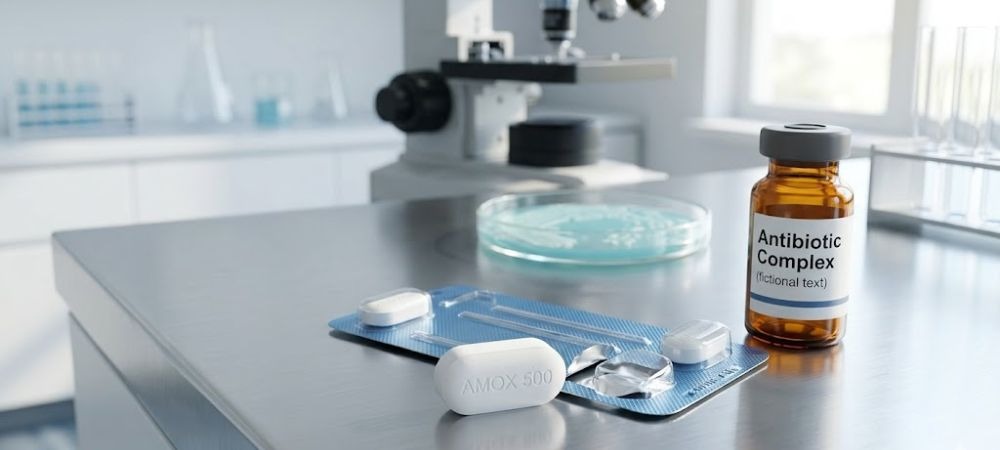
Antibiotics are essential when infections are caused by bacteria. Doctors evaluate symptoms, perform physical examinations, and sometimes request lab tests before prescribing them.
Conditions that may require antibiotics include:
Bacterial pneumonia
Severe urinary tract infections
Certain skin infections
Bacterial sinus infections
Some cases of ear infections
For instance, bacterial pneumonia can be a serious condition that requires immediate medical treatment. Doctors carefully select the appropriate medicine in pneumonia depending on the type of bacteria involved.
This is why medical evaluation is important. Only a qualified healthcare professional can determine whether antibiotics are necessary.
The Dangers of Misusing Antibiotics
Misusing antibiotics affects not only individual patients but also the entire community.
1. Treatment Failure
If bacteria become resistant, standard antibiotics may no longer work. Patients may require stronger medications with more side effects.
2. Longer Illness Duration
Resistant infections often take longer to treat, resulting in extended illness and delayed recovery.
3. Increased Medical Costs
Advanced treatments and hospitalizations can become necessary when infections fail to respond to common antibiotics.
4. Spread of Resistant Bacteria
Resistant bacteria can spread between individuals, making infections more difficult to control within families and communities.
The Role of Patients in Preventing Antibiotic Resistance
Every patient plays an important role in slowing the spread of resistance. Responsible antibiotic use protects both current and future generations.
Follow Doctor’s Instructions Carefully
Always take antibiotics exactly as prescribed. Do not change the dosage or stop treatment early unless your doctor advises you to do so.
Avoid Self-Medication
Never take antibiotics without medical guidance. Symptoms that seem similar may have different causes and require different treatments.
Do Not Share Medicines
Antibiotics prescribed for one person should never be shared with another individual.
Complete the Full Course
Even if you feel better, complete the entire course of medication. This ensures that all bacteria are eliminated.
Supporting Recovery During Infections
While antibiotics treat bacterial infections, patients often require additional care to manage symptoms and support recovery.
For example, fever and body aches frequently accompany infections. Doctors may recommend medicine for fever and body pain to relieve discomfort while the body heals.
Maintaining hydration, proper nutrition, and adequate rest also supports recovery and strengthens the immune system.
Gut Health and Antibiotic Use
Antibiotics kill harmful bacteria, but they can also affect beneficial bacteria in the digestive system. This disruption sometimes leads to digestive issues such as bloating or diarrhea.
To restore balance, doctors may recommend supplements that contain beneficial bacteria. Many patients use probiotic medicine in Pakistan to help maintain gut health during or after antibiotic treatment.
However, probiotics should also be used under medical guidance to ensure they are appropriate for your condition.
The Growing Trend of Online Medicine Access
Technology has made healthcare products more accessible than ever. Many people now explore digital platforms for online medicine purchase, which can offer convenience and home delivery.
While this option can be helpful, patients should ensure they are buying medicines from licensed and reputable pharmacies. Purchasing antibiotics without a prescription or from unverified sources increases the risk of incorrect medication use.
Responsible online pharmacy services usually require a valid prescription and provide guidance from qualified pharmacists.
How Doctors Choose the Right Antibiotic
Selecting the correct antibiotic is a complex medical decision. Doctors consider several factors before prescribing medication:
Type of infection
Patient’s medical history
Age and weight
Possible allergies
Local resistance patterns
In some cases, laboratory tests identify the exact bacteria causing the infection. This helps doctors select the most effective treatment.
Using the right antibiotic at the right time improves recovery and reduces the risk of resistance.
Preventing Infections in the First Place
Reducing infections also reduces the need for antibiotics. Preventive healthcare plays an important role in controlling resistance.
Simple preventive measures include:
Regular Hand Washing
Hand hygiene is one of the most effective ways to prevent the spread of infections.
Vaccination
Vaccines protect against several bacterial and viral diseases that might otherwise require antibiotic treatment.
Safe Food Handling
Proper cooking and food hygiene reduce the risk of bacterial infections.
Clean Water and Sanitation
Access to safe drinking water and proper sanitation significantly lowers infection rates.
Community Awareness and Education
Public awareness campaigns are essential in addressing antibiotic misuse. When communities understand how resistance develops, they are more likely to use medicines responsibly.
Educational programs in schools, hospitals, and pharmacies can help patients recognize when antibiotics are necessary and when they are not.
Healthcare professionals, pharmacists, and policymakers must work together to promote responsible medication practices across Pakistan.
The Future of Antibiotics

Scientists around the world are working to develop new antibiotics and alternative treatments. However, creating new drugs takes years of research and testing.
If existing antibiotics continue to lose effectiveness due to misuse, treating infections will become increasingly difficult.
This is why protecting current antibiotics is crucial. Responsible use today ensures these life-saving medicines remain effective for future generations.
Takeaways for Safe Antibiotic Use
Patients can protect themselves and their communities by following a few simple guidelines:
Only take antibiotics when prescribed by a doctor
Follow the prescribed dosage and treatment duration
Avoid self-medication or sharing medicines
Do not use antibiotics for viral illnesses like cold or flu
Purchase medicines from trusted pharmacies
Small changes in everyday behavior can significantly reduce the spread of resistant bacteria.
Final Thoughts
Antibiotics remain one of the most powerful tools in modern medicine. However, their effectiveness depends on responsible use by both healthcare professionals and patients.
Pakistan’s rising resistance rates highlight the urgent need for better awareness and safer medication practices. When patients understand how antibiotics work and follow proper medical guidance, they help protect the effectiveness of these medicines for everyone.
By using antibiotics wisely, completing prescribed treatments, and seeking professional medical advice, individuals can play a vital role in slowing the spread of resistant infections and ensuring safer healthcare for the future.
If you are struggling to find a reliable place in Pakistan to buy all your medications and healthcare products, D.Watson is where you should be heading to. Shop online or visit your nearest store and experience hassle-free purchasing while being assured of the product's authenticity.
FAQs
A: Antibiotic resistance occurs when bacteria become strong enough to survive the effects of antibiotics. It is dangerous because infections become harder to treat, leading to longer illness, higher medical costs, and increased risk of complications.
A: No, antibiotics do not work against viral infections like the common cold or flu. Taking them unnecessarily can contribute to resistance and reduce their effectiveness when truly needed.
A: Completing the full course ensures that all bacteria are eliminated. Stopping early can allow some bacteria to survive, adapt, and become resistant.
A: Yes, but only if you purchase from licensed and reputable pharmacies. Always ensure that a valid prescription is required for antibiotics to avoid misuse and ensure safety.
A: You can help by only using antibiotics when prescribed, following your doctor’s instructions, avoiding self-medication, and maintaining good hygiene to prevent infections.