

30-Second Summary
This guide helps you understand how to identify early and advanced signs of vitamin C deficiency.
You will learn common symptoms like fatigue, weak immunity, gum issues, and slow healing.
It explains main causes, at-risk groups, and how diet and supplements can restore healthy levels.
It also shares practical ways to prevent deficiency and support daily immunity and wellness.
Vitamin C is one of the most essential nutrients for overall health, yet it is often overlooked until the body starts showing clear warning signs. It plays a key role in immunity, skin repair, wound healing, iron absorption, and antioxidant protection. Despite being widely available through fruits and vegetables, many people still develop low levels due to poor diet, smoking, chronic illness, or limited access to fresh produce.
A deficiency can range from mild to severe, and in extreme cases, it may lead to scurvy, a condition historically seen in sailors with limited diets. Today, it is still relevant, especially in individuals with poor nutrition habits or increased physiological needs. Understanding the early vitamin c deficiency symptoms can help prevent long-term health complications and restore balance through timely dietary adjustments and supplementation.
Early Warning Signs You Should Not Ignore

When the body starts running low on vitamin C, it sends subtle signals before the condition becomes severe. These early signs are often mistaken for general fatigue or seasonal illness, which is why they are frequently ignored.
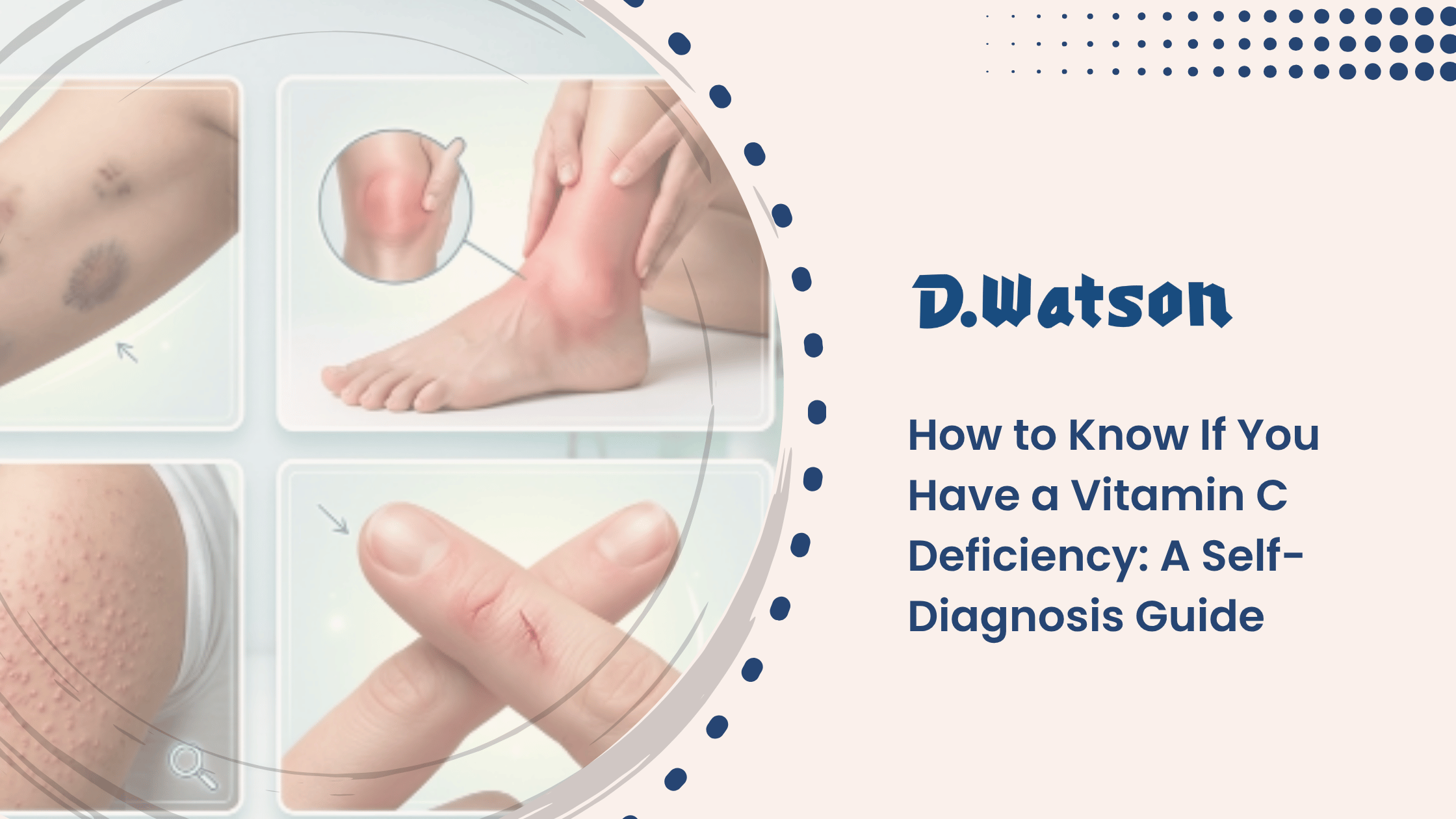
One of the earliest indicators is persistent tiredness, even after adequate rest. This happens because vitamin C is involved in energy metabolism and iron absorption. Weak immunity is another major red flag, leading to frequent colds or infections. Slow wound healing, bleeding gums, dry skin, and unexplained bruising are also common signs. Joint discomfort and irritability may appear in more advanced cases.
Recognizing these patterns early allows for timely dietary correction, reducing the risk of complications and restoring normal body function efficiently.
Understanding Subtle Body Changes
The phrase vit c deficiency symptoms often refers to a cluster of early physical and functional changes that develop gradually rather than suddenly. These include gum sensitivity, frequent nosebleeds, dull skin appearance, and increased susceptibility to infections. Many people mistake these signs for stress or seasonal changes, which delays proper intervention.
The body relies on vitamin C for collagen production, which is essential for skin elasticity, blood vessel strength, and tissue repair. When levels drop, these systems weaken, resulting in visible and internal changes that should not be ignored.
Progression of Deficiency and Health Impact
As the condition progresses, vitamin c deficiency symptoms become more pronounced and affect multiple systems in the body. Hair may become dry and brittle, gums may start bleeding during brushing, and small wounds may take longer to heal. In some cases, individuals may experience mood changes, including irritability or low motivation.
At this stage, the immune system becomes significantly compromised, making the body more vulnerable to infections. If left untreated, the deficiency may lead to more severe health complications, including joint pain and anemia.
Why Vitamin C Levels Drop in the First Place
Low intake of fresh fruits and vegetables is the most common reason behind vitamin C deficiency. Smoking significantly increases oxidative stress, which depletes vitamin C faster than normal. Chronic illnesses, digestive issues, and prolonged stress can also reduce absorption or increase the body’s demand for this nutrient.
In such cases, diet alone may not be enough, and supplementation becomes an important part of recovery and maintenance.
Supporting Immunity and Daily Health Needs
In modern lifestyles where dietary gaps are common, vitamin C supplements in Pakistan are widely used to help maintain healthy nutrient levels. These supplements provide a convenient way to support immunity, especially for individuals who do not consume enough fresh produce daily.
Options like High C 1000 Sachet (Werrick), which combines Calcium and Vitamin C, offer a quick and effective way to boost daily intake and support overall immunity. Similarly, Vitamin C 500mg Tablets 30s (Wilsons) provide a simple daily dose of Vitamin C for general wellness and immune support.
Strengthening the Immune System Naturally
Vitamin C plays a major role in strengthening the body’s natural defense system. An immune support supplement helps improve the activity of white blood cells and reduces oxidative stress, making the body more resistant to infections.
For enhanced antioxidant benefits, Nf extra c tabs 90s (Nutrifactor) combine Vitamin C with Rose Hips Extract, offering better absorption and long-term immune support. These formulations are especially useful during seasonal changes or periods of high stress when immunity tends to weaken.
Daily Nutritional Balance for Better Health

Maintaining proper nutrition requires a combination of essential vitamins and minerals. Many individuals rely on health supplements to fill dietary gaps caused by busy lifestyles, irregular meals, or poor food quality.
For example, GH C 500 Vitamin C 500mg Tablets 30s (Good Health) help support daily energy levels and immune function, while Nutribase mycee plus tab 500mg 30s (Nutribase) provides consistent Vitamin C intake to promote skin health and overall vitality. These supplements are commonly used as part of a balanced wellness routine.
Role of Vitamins in Overall Wellness
A balanced intake of wellness vitamins supports multiple body systems, including immunity, energy production, and skin repair. Vitamin C remains one of the most important nutrients in this category due to its wide-ranging benefits.
It not only supports physical health but also helps reduce fatigue and improves the body’s ability to recover from daily stressors. When combined with a healthy diet, it plays a key role in maintaining long-term wellness.
Easy Access to Nutritional Support
In today’s digital age, purchasing supplements has become more convenient through an online pharmacy, where individuals can easily explore different vitamin C options and choose products based on their health needs.
This accessibility allows users to maintain consistent supplementation without interruptions, ensuring they receive the necessary nutrients regularly for optimal health support.
Who Is Most at Risk of Deficiency
Certain groups are more likely to develop vitamin C deficiency than others. These include smokers, elderly individuals, people with poor diets, and those suffering from chronic illnesses. Pregnant and breastfeeding women may also require higher intake due to increased nutritional demands.
People under constant stress or those with limited access to fresh foods are also at higher risk and should monitor their intake carefully.
Simple Self-Assessment for Early Detection
Self-assessment is a useful way to identify early warning signs. Frequent fatigue, slow healing wounds, bleeding gums, and repeated infections are strong indicators that vitamin C levels may be low. A diet lacking fresh fruits and vegetables further increases this risk.
However, self-assessment should be used as a guide only and not as a replacement for medical diagnosis when symptoms persist.
Prevention Through Better Lifestyle Choices
Preventing deficiency begins with improving dietary habits. Regular consumption of citrus fruits, berries, kiwi, tomatoes, and green vegetables can help maintain adequate levels of vitamin C. Cooking methods should be kept minimal, as heat can reduce nutrient content.
Along with diet, hydration, stress management, and avoiding smoking also play an important role in maintaining healthy levels.
When Supplementation Becomes Necessary

For individuals who struggle to meet daily nutritional requirements, supplementation becomes a practical solution. Products like Nutribase Mycee plus tab 500mg 30s (Nutribase) or Vitamin C 500mg Tablets 30s (Wilsons) are commonly used to support consistent intake.
In cases of increased demand, High C 1000 Sachet (Werrick) may be preferred for its higher potency and quick absorption, helping restore levels more effectively.
When to Seek Medical Guidance
If symptoms continue despite dietary improvements or supplementation, medical advice should be sought. Persistent fatigue, gum issues, or frequent infections may indicate more serious underlying health concerns that require professional evaluation.
Early intervention ensures better recovery outcomes and prevents long-term complications associated with severe deficiency.
Final Thoughts
Vitamin C deficiency is common but highly manageable when identified early. Paying attention to subtle body changes, improving diet, and using appropriate supplements can help restore balance effectively. Most people begin to feel improvements in energy, immunity, and skin health once their intake becomes consistent and adequate. The key is not to ignore early warning signs and to take corrective action before symptoms become more serious or disruptive to daily life.
For consistent wellness support, it is important to maintain a routine that includes vitamin-rich foods along with reliable supplementation when needed. You can easily shop for trusted healthcare and vitamin C supplements from D. Watson, including tablets, sachets, and daily wellness options designed to support immunity, energy, and overall health.
Take control of your health today and choose the right supplements to stay protected all year round.
FAQs
A: Early signs include fatigue, frequent colds, slow wound healing, dry or dull skin, and sensitive or bleeding gums. These symptoms often appear gradually and are easy to ignore in the beginning stages.
A: Yes, low vitamin C levels weaken the immune system, making the body more prone to infections, flu, and longer recovery times from illness due to reduced white blood cell function.
A: People with poor diets, smokers, elderly individuals, and those with chronic illnesses are at higher risk. Pregnant women and individuals under constant stress may also need higher intake.
A: You can increase intake by eating citrus fruits like oranges, lemons, and grapefruits, as well as strawberries, kiwi, tomatoes, and green leafy vegetables regularly.
A: Yes, vitamin C supplements can help restore normal levels, especially when dietary intake is insufficient. They support immunity, skin health, and overall energy when used appropriately.
A: You should consider supplements if you experience deficiency symptoms, have a poor diet, or need extra immune support during illness, stress, or seasonal changes.