

30-Second Summary
This article explains what should be included in a hospital bag checklist for both mom and baby.
The guide covers maternity essentials, baby and mother care items, personal comfort supplies, and helpful tips for postpartum support.
It describes the best time to pack your bag, how to organize items, and what hospitals usually provide versus what you should bring.
Have you ever wondered if you are truly prepared for the day you meet your baby? That first moment when you hold your child in your arms can be both magical and overwhelming. One of the biggest ways to reduce anxiety and feel confident is by preparing a thoughtful hospital bag checklist packed with everything you might need for labor, delivery, and the days that follow.
Studies and maternity experts recommend that you finish packing your hospital bag by around 35 to 36 weeks of pregnancy, because labor can begin earlier than expected. Preparing ahead gives you peace of mind and helps you focus on your health and the health of your baby.This article will guide you through every essential item you need for both mom and baby. Whether this is your first baby or your third, having the right items will support you physically and emotionally, so you can focus on the miracle of birth.
Why You Need a Hospital Bag Checklist
Packing your hospital bag early in the third trimester is one of the best preparations you can make for labor and delivery. A complete hospital bag checklist gives you clear direction about what to include, what hospitals often provide, and helps eliminate last-minute stress. Healthcare providers recommend having this bag ready by about 36 weeks of pregnancy so that if you go into labor early you are already prepared. Every woman’s experience is unique, but having a well-organized bag ensures you have comfort items, important documents, support items, and newborn essentials ready when the big day comes.
Preparing this checklist also gives you mental peace. When everything is packed and organized, you can relax more and feel emotionally supported going into labor. This preparedness can reduce anxiety and allow you to focus on breathing, pain management, and bonding with your baby once they arrive.
When Should You Pack Your Hospital Bag
Many maternity specialists and pregnancy education resources suggest you begin packing your hospital bag by around 35 to 36 weeks of pregnancy. This timing allows for the possibility of early labor. Waiting until the last minute can cause unnecessary stress if labor begins sooner than expected, so finishing your packing earlier helps you enjoy your final weeks of pregnancy with ease.
Also consider keeping your bag near the door or in your car once it is complete. That way, if you feel early labor signs or your healthcare provider advises you to head to the hospital, you can go without delay.
Choosing the Right Bag for Labor and Delivery
Selecting the right bag for your hospital bag checklist matters. Choose a bag that is comfortable to carry, roomy enough to fit several categories of items, and easy to organize with compartments. A suitcase or large duffel bag works well because you can divide items into sections for mom, baby, and postpartum care. Soft fabric bags with strong handles make it easier to carry everything when you may be emotional and pressed for time.
Organizing your bag into labeled zip bags or packing cubes helps you find items quickly. This kind of organization is especially helpful during labor or when you are in recovery and have limited energy.
Hospital Bag Checklist for Mom- Before, During, and After Delivery
This section provides a detailed and expanded list of essentials to pack for yourself, the mother, before, during, and after delivery.
Important Documents and Hospital Paperwork
First and foremost, gather all paperwork you will need when you arrive at the hospital:
Government ID and contact cards for emergency contacts
Hospital registration or any pre-admission forms you completed
Your birth plan or preferences you shared with your healthcare provider
Health records, maternity charts, appointment summaries
Keeping these documents in a clear folder at the top of your bag ensures they are instantly accessible when you arrive at the maternity ward.
Comfortable Clothing for Labor and Delivery
Comfort is key when you are in labor and spending time at the hospital. Pack clothing that is easy to relax in, allows freedom of movement, and feels familiar to you:
Loose fitting nightgowns or comfortable pajamas
A robe for walking around the room or ward
Non-slip socks or slippers for safety on hospital floors
A comfortable outfit for going home
Hospitals often provide gowns, but wearing your own clothing can help you feel more at ease and emotionally secure.
Personal Toiletries and Hygiene Items
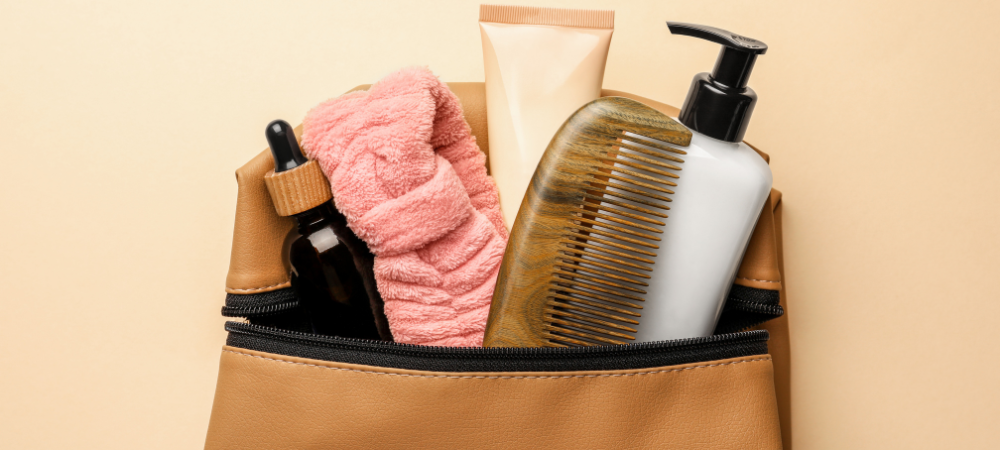
Personal care items help you feel more comfortable and refreshed during your stay:
Shampoo, conditioner, and body wash
Hairbrush and hair ties
Deodorant
Lip balm and face moisturizer
These familiar items remind you of home and can elevate comfort during your hospital stay. Even if the hospital provides basic toiletries, your own products will feel more comforting and familiar.
Post-Delivery Care Items
Your body undergoes a lot of changes after delivery, so comfort and support items can make a big difference:
Comfortable underwear or postpartum briefs
Nipple balm for soreness and tender nipples
Nursing bras if you plan breastfeeding
These items, particularly breastfeeding accessories, are especially helpful in the first days after delivery when your body is adjusting and healing.
Phone and Tech Essentials
Stay connected with loved ones and entertained during less active moments:
Mobile phone and charger
Extra-long charging cord
Portable charger or power bank
Headphones
These tech items help you stay connected and give you comfort during stays that may extend over several hours or days.
Snacks and Hydration
Labor can be long and physically demanding, so a few small personal snacks and drinks are helpful:
Bottled water or reusable water bottle
Electrolyte drinks
Dry fruits, biscuits, or energy bars
Always check with your health care provider or hospital staff about any eating or drinking restrictions during active labor.

Supportive Items for Comfort and Labor
Other than baby and mother care essentials, some additional items can make labor more comfortable and manageable:
Pillow from home with distinctive pillowcase
Light reading material or stress ball
These personal touches help you manage long hours of labor, especially if your birth plan allows time for comfort activities.
Women's Health Supplements to Consider
Before adding any supplements to your hospital bag checklist, check with your healthcare provider to ensure they are appropriate for your situation. Some women find that their recommended women's health supplements provide support during postpartum recovery, especially if they are continuing supplements like iron, vitamins, or calcium after delivery. In Pakistan, individual guidance from your healthcare provider ensures you take the right items for your health and recovery.
Hospital Bag Checklist for Baby- Newborn Essentials
This section covers all the important items you should pack for your newborn’s first days.
Clothing for Your Newborn
Make sure your baby has comfortable outfits ready for the hospital stay and the trip home:
3 to 4 newborn outfits (onesies, sleepers, light jackets)
Soft socks and mittens to prevent scratching
Cozy hat appropriate for the weather
Choose breathable, natural fabrics like cotton to keep your newborn comfortable and secure. Hospitals may provide some outfits, but having your own ensures you have the sizes and styles you prefer.
Blankets and Swaddles
Newborns love the warmth and security of a soft wrap:
Receiving blankets for warmth and comfort
Swaddle blankets for soothing your baby
Swaddles help your newborn feel snug and secure, comforting them in a new environment.
Diapering Essentials
Pack a small supply of the items your baby will need immediately:
Some hospitals provide diapers and wipes, but your preferred brands can make diaper changes easier and more soothing for your baby.
Feeding and Comfort Items
Whether you are breastfeeding or planning to supplement, prepare these items:
Burp cloths to clean small spills
Soft cotton bibs
Even if you plan to exclusively breastfeed, these items can help make feeding and burping easier.
Safe Travel Essentials
Before discharge from the hospital, your newborn must be transported home safely:
Infant car seat installed according to safety guidelines
Make sure the car seat is installed and checked well before your due date so you can leave the hospital promptly.
What Hospitals Usually Provide
Hospitals often supply basic postpartum and newborn items, which may include:
Basic diapers, wipes, swaddle blankets and baby onesies
Postpartum pads and mesh underwear for mom
Standard hospital pillows and blankets
Knowing what your hospital already provides helps you avoid overpacking. Always contact your hospital maternity ward to confirm their provisions and adapt your bag accordingly.
Packing and Organization Tips
Start early
Begin your packing around 35 to 36 weeks so you are not rushed in the final weeks of pregnancy.
Use packing lists and separate categories
Divide items into sections for mom, baby, and postpartum care. Label them so you can find everything in an instant.
Keep a “ready to go” bag in your car
Once your bag is complete, placing it near your vehicle gives you confidence and saves time when labor starts.
Check weather and season
If you are giving birth during warmer months, pack lighter blankets and breathable outfits. In cooler months, warmer hats and thicker swaddles make your baby more comfortable.
Conclusion
Preparing your hospital bag checklist for mom & baby is one of the most reassuring and practical steps you can take before your baby arrives. When you are organized, you can stay focused on what matters most: welcoming your baby, healing, and bonding with your child. Every item you include supports comfort, safety, and confidence. For the best baby and mother care products and pregnancy essentials, including breastfeeding accessories, women's health supplements, and tailored newborn items, trust D. Watson as your partner in this exciting journey.
Prepare your hospital bag with D. Watson today and give yourself the comfort and confidence you deserve on this joyful day.
FAQs
A: A baby hospital bag checklist is a list of essential items to pack for your newborn when you go to the hospital, including clothes, blankets, diapers, wipes, and travel safety items.
A: Include all necessary items for your comfort and hygiene, such as toiletries, comfortable clothes for mom, newborn outfits, blankets, feeding items, and documentation.
A: Items that belong on your hospital bag checklist for babies include several newborn sized outfits, socks, mittens, blankets, diapers, wipes, and a properly installed car seat for the trip home.
A: Experts recommend packing your pregnancy hospital bag checklist by 35 to 36 weeks of pregnancy, so you are prepared even if labor begins unexpectedly.
A: Your hospital bag for delivery checklist should include all items needed for comfort, personal hygiene, postpartum care, newborn essentials, important documents, snacks, and tech accessories.
A: A maternity hospital bag checklist is a complete list of items to pack for labor, delivery, and the early postpartum period, including mother and baby essentials plus postpartum care products.