

30-Second Summary
Learn about the 14 warning signs of vitamin D deficiency and how they affect your body.
Understand the main causes, risk factors, and how the deficiency is diagnosed.
Discover a complete prevention checklist including diet, sunlight, and supplements.
Explore practical tips to improve bone health, immunity, and overall wellbeing.
Vitamin D is a vital nutrient that plays an essential role in bone health, immunity, and overall wellbeing. Despite being naturally available through sunlight, vitamin D deficiency has become a common health concern worldwide, including in Pakistan. Many people are unaware they are deficient until symptoms begin affecting their daily lives. Recognizing the signs of vitamin D deficiency early can help prevent long-term health issues.
This guide explores the 14 signs of vitamin D deficiency, discusses risk factors, and provides a prevention checklist, including diet, lifestyle, and supplementation options. By the end of this post, readers will understand how to identify, address, and prevent vitamin D deficiency effectively.
What Is Vitamin D and Why Is It Important?

Vitamin D is a fat-soluble vitamin crucial for several body functions:
Bone Health: It helps the body absorb calcium and phosphate, which are necessary for strong bones and teeth. Low levels can lead to osteoporosis or fractures.
Immune Function: Vitamin D enhances immune responses, helping the body fight infections and reduce inflammation.
Mood Regulation: Adequate vitamin D levels are linked to improved mood and reduced risk of depression.
Muscle Function: It supports muscle strength, which is essential for balance and mobility.
The body naturally produces vitamin D when exposed to sunlight. However, factors like limited sun exposure, darker skin, age, and certain medical conditions can reduce this production, increasing the risk of deficiency.
Causes of Vitamin D Deficiency
Vitamin D deficiency occurs when the body doesn’t get enough of the nutrient from sunlight, food, or supplements. Common causes include:
Limited Sun Exposure: Spending most of the day indoors or living in areas with limited sunlight.
Skin Pigmentation: Darker skin produces less vitamin D compared to lighter skin.
Dietary Deficiency: Low intake of vitamin D-rich foods, such as fish, eggs, and fortified dairy products.
Age and Health Conditions: Older adults, individuals with kidney or liver issues, and people with digestive disorders may absorb less vitamin D.
Obesity: Excess body fat can trap vitamin D, making it less available for the body.
Recognizing early signs is crucial because deficiency can remain undetected for years.
14 Warning Signs of Vitamin D Deficiency
Here are the 14 signs of vitamin D deficiency to watch for:
Fatigue and Tiredness
Persistent tiredness can be caused by low vitamin D levels affecting energy metabolism.Bone Pain
Deficiency reduces calcium absorption, leading to weakened bones and chronic pain, particularly in the lower back, hips, and legs.Muscle Weakness
Vitamin D supports muscle function; low levels may result in reduced strength and frequent falls, especially in older adults.Frequent Illnesses or Infections
A weakened immune system from vitamin D deficiency can make you more prone to colds, flu, and infections.Mood Changes and Depression
Studies link low vitamin D levels to mood swings, depression, and seasonal affective disorder (SAD).Delayed Wound Healing
Vitamin D plays a role in tissue repair; deficiency can slow healing after injury or surgery.Hair Loss
Severe hair loss, including alopecia, may be linked to low vitamin D levels.Bone Loss
Chronic deficiency reduces bone mineral density, increasing the risk of fractures and osteoporosis.Weak Immunity in Children
Children may experience frequent colds, respiratory infections, or rickets due to inadequate vitamin D.Back Pain
Lower back pain is common because vitamin D deficiency affects the lumbar spine and bone structure.Impaired Growth in Children
Vitamin D is vital for bone growth; deficiency may cause delayed physical development.Difficulty Concentrating
Low vitamin D can impact cognitive function, leading to brain fog or poor focus.Sweating
Excessive sweating, especially on the forehead, can be an early sign of deficiency in some people.Weak Nails
Vitamin D deficiency may result in brittle nails, slow nail growth, or increased susceptibility to infections.
Recognizing these symptoms early is key to preventing severe complications.
How Vitamin D Deficiency Is Diagnosed
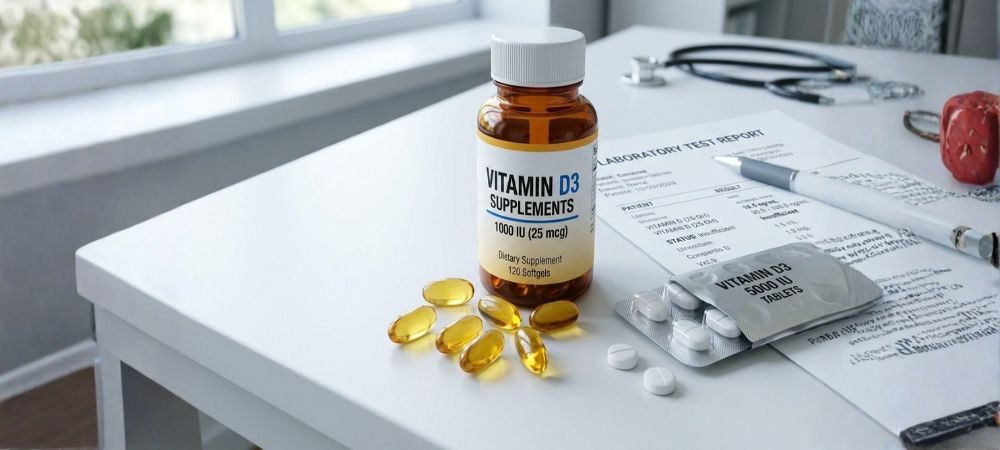
Diagnosis typically involves a blood test measuring 25-hydroxy vitamin D levels. Doctors may recommend testing if you experience multiple symptoms or have risk factors. Levels are generally categorized as:
Deficient: Less than 20 ng/mL
Insufficient: 21–29 ng/mL
Sufficient: 30–100 ng/mL
If deficiency is detected, doctors create a treatment plan involving lifestyle changes, dietary improvements, and supplements if necessary.
Prevention Checklist for Vitamin D Deficiency
Preventing deficiency involves a combination of sunlight exposure, dietary intake, and supplementation.
1. Get Adequate Sunlight
Aim for 10–30 minutes of midday sun several times a week. Face, arms, and legs should be exposed without sunscreen during this time.
2. Eat Vitamin D-Rich Foods
Include foods like:
Fatty fish (salmon, mackerel, sardines)
Egg yolks
Fortified milk, yogurt, and cereals
Mushrooms exposed to sunlight
3. Use Vitamin D Supplements
For those who cannot get enough sunlight or dietary vitamin D, vitamin D supplements in Pakistan are widely available. These can help maintain adequate blood levels, especially during winter months.
4. Support Bone Health
Combine vitamin D intake with calcium supplements to strengthen bones. Dairy products and leafy green vegetables are also excellent sources of calcium.
5. Focus on Immune Health
Vitamin D is essential for immune function. Pairing it with an immune support supplement may help reduce the risk of infections and boost overall immunity.
6. Incorporate Wellness Vitamins
Adding general wellness vitamins to your routine ensures you meet other micronutrient needs that support energy, mood, and metabolism.
7. Choose Quality Health Supplements
Always buy health supplements from licensed and reliable sources to ensure potency and safety. Avoid unverified brands to reduce risks of contamination or incorrect dosage.
8. Monitor Your Levels
Regular testing helps track your vitamin D status and ensures your supplementation plan is effective.
Special Considerations for Certain Groups
Certain populations are at higher risk of deficiency and require extra attention:
Elderly: Reduced skin synthesis and less outdoor activity increase risk.
Pregnant and Nursing Women: Adequate vitamin D is critical for fetal and infant bone development.
People with Darker Skin: Higher melanin levels reduce vitamin D production from sunlight.
Individuals with Obesity: Vitamin D is sequestered in fat tissue, making it less available.
Those with Chronic Diseases: Kidney, liver, or gastrointestinal conditions can impair vitamin D metabolism.
Doctors may recommend higher doses or specialized supplements for these groups.
Lifestyle Tips to Boost Vitamin D Naturally

Besides supplements, lifestyle changes can help maintain adequate levels:
Spend more time outdoors, especially in the morning or late afternoon.
Engage in regular physical activity, which enhances vitamin D metabolism.
Include fortified foods in your diet, like cereals and milk.
Reduce excessive sunblock use on small areas during short sun exposure periods.
Combining these habits with a proper diet ensures long-term vitamin D sufficiency.
Risks of Over-Supplementation
While supplements are helpful, taking excessive vitamin D can cause toxicity, leading to:
Nausea and vomiting
Weakness and fatigue
Kidney stones
Hypercalcemia (high calcium levels)
Always follow the recommended dosage and consult a doctor before taking high-dose supplements.
How Vitamin D Improves Overall Health
Adequate vitamin D levels offer multiple benefits:
Stronger Bones: Prevents fractures and osteoporosis.
Better Immunity: Reduces susceptibility to infections.
Improved Mood: Helps prevent depression and cognitive decline.
Enhanced Muscle Function: Reduces fall risk and improves mobility.
Heart Health: Supports cardiovascular function and lowers risk factors.
By maintaining optimal vitamin D, you can support multiple aspects of your health naturally.
How to Choose the Right Supplement in Pakistan
When selecting supplements, consider:
Reputable Brands: Purchase from licensed pharmacies or stores.
Formulation: Capsules, tablets, or drops depending on preference and absorption.
Dosage: Based on doctor recommendations and age.
Combination Supplements: Some include calcium or other wellness vitamins for added benefit.
Reliable sources ensure you receive authentic products without harmful additives.
Integrating Vitamin D into Daily Routine
Here’s a simple routine for maintaining vitamin D levels:
Morning Sunlight: 10–30 minutes outdoors, bare arms and legs.
Breakfast: Include fortified milk or yogurt and eggs.
Lunch/Dinner: Add fatty fish or mushrooms to meals.
Daily Supplement: Take vitamin D capsules as prescribed.
Weekly Check: Track overall wellness and adjust routine if needed.
Consistency is key to preventing deficiency and its associated health issues.
Monitoring Your Progress
Keep track of your vitamin D status with:
Regular blood tests every 6–12 months.
Symptom tracking: note improvements in fatigue, mood, and muscle strength.
Adjusting diet and supplementation based on doctor advice.
Early monitoring ensures deficiency is corrected before serious health problems arise.
Preventing Deficiency in Children and Teens

Children and adolescents are vulnerable because of growing bones. Steps to prevent deficiency include:
Encourage outdoor play to get sunlight exposure.
Include fortified milk, eggs, and fish in meals.
Use pediatric vitamin D supplements in Pakistan when recommended by a doctor.
Monitor for early signs like delayed growth, weak muscles, or frequent illness.
Early prevention promotes strong bones and long-term health.
Conclusion
Vitamin D deficiency is a silent yet widespread health concern. By recognizing the signs of vitamin D deficiency early and following a structured prevention checklist, you can protect your bones, immunity, and overall wellbeing. Regular sunlight exposure, a balanced diet, and proper supplementation, including vitamin D supplements in Pakistan, help maintain optimal levels.
Adding wellness vitamins, calcium supplements, and an immune support supplement can further enhance your health and reduce the risk of deficiency-related complications. Paying attention to lifestyle habits, diet, and supplementation ensures you stay healthy and energized throughout life.
Taking action today can prevent long-term issues, improve energy, strengthen bones, and support immunity. Always consult healthcare professionals to choose the right supplements and maintain optimal vitamin D levels for you and your family.
For reliable and authentic products, shop your Vitamin D supplements and other healthcare essentials from D. Watson. Visit your nearest store or order online for a convenient and trusted shopping experience.
FAQs
A: Common symptoms include fatigue, bone pain, muscle weakness, frequent illness, and mood changes. These signs can develop slowly and are often overlooked.
A: You can increase vitamin D levels through regular sunlight exposure, eating vitamin D-rich foods like fish and eggs, and maintaining a balanced diet.
A: People with limited sun exposure, older adults, individuals with darker skin, and those with certain medical conditions are at higher risk.
A: Supplements are recommended when dietary intake and sunlight are not enough. A doctor can guide you on the correct dosage based on your needs.
A: Yes, low vitamin D levels can weaken the immune system, making you more prone to infections and slower recovery.
Q: Is it safe to take vitamin D daily?
A: Yes, daily intake is generally safe when taken in recommended doses. However, excessive intake should be avoided, and it’s best to consult a healthcare professional before starting supplements.